

 Slashing CO2
Cheap and clean supersonic travel.
Big Picture
Nearly 40 million flights spew pollution into the skies every year. Airline travel is growing steadily, but supersonic travel is set to boom. These planes pump heat-trapping pollution into higher layers of the atmosphere where it remains for longer, so their growth risks supercharging warming even with 100% carbon-neutral fuels. On top of that, traditional supersonic flights chug 5-7x more fuel per passenger.
How it Works
Astro Mechanica is building the world’s first adaptive turboelectric engine. Adding an electric motor to a jet engine decouples energy extraction from propulsion. This drastically improves the efficiency and flexibility of both processes across a range of engine speeds and air-to-fuel ratios. The hybrid jet engine can be used in subsonic, next-gen supersonic, and future space planes, all while burning LNG instead of jet fuel to slash costs and emissions.
Unfair Advantage
The US Air Force has called upon Astro Mechanica to create an engine for their Collaborative Combat Aircraft (CCA) program. With specs that improve upon baseline solutions multiple times over, Astro Mechanica provides the necessary range and performance of onboard electrical power to unlock critical sensor and autonomy capabilities. This partnership allows them to offload risk and cost as they ramp up to serve their ultimate goal: revolutionizing commercial flight.
3.9
Hour flight
from SF to Paris
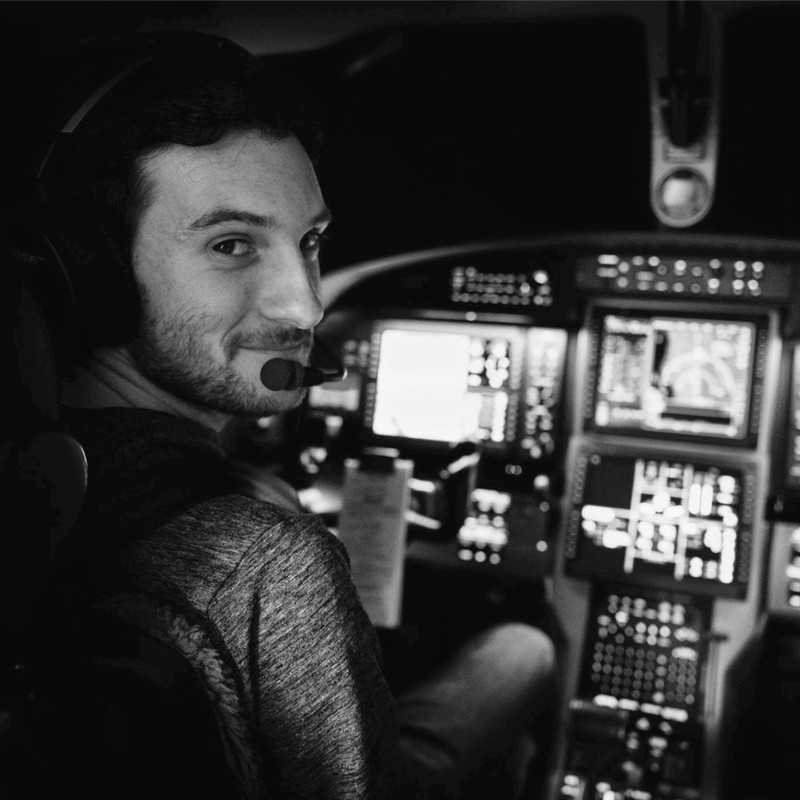
IAN BROOKE CEO & FOUNDER
A licensed commercial pilot and professional tinkerer, Ian was previously founder and CEO of an advanced composite manufacturer.

ASHLEY PELZEL COO
Prior to joining Astro Mechanica, Ashley was the COO across all Technology functions at Bridgewater.
This Startup Is Building Jets to Fly from California to Taiwan in 4 Hours
TBPN
The World’s First Electric-Adaptive Jet Engine
First Principles
The environmental and health impacts of a new generation of supersonic aircraft could be immense
The International Council on Clean Transportation