


 Slashing CO2
Fully-electric passenger planes.
Big Picture
Flying made up only 2% of global emissions in 2019, but it’s set to jump 300-700% by 2050. Even with efficiency improvements, aviation alone could eat up a quarter of our total carbon budget if we attempt to limit warming to 1.5 ºC. This reality has led to broad consensus on the need to decarbonize aviation, starting with the short-haul flights (1,500km or fewer) that account for 40% of aviation emissions.
How It Works
Heart is building a 30-seat, hybrid-electric airliner that excels at short regional routes with zero operational emissions. The emissions reductions are just the perk, however. Heart wins because its plane is cheaper to operate on a passenger/mile basis. This has caught the attention of the world’s leading airlines – United and Scandinavia’s SAS among them – who have pre-purchased hundreds of aircraft.
Unfair Advantage
Heart has built the world’s most efficient propulsion system, which will enable unit economics competitive with Jet A-1 fuel. It will also allow the lowest infrastructural footprint of any mode of regional travel. This has led to early traction and extensive support from the Nordics to New Zealand, enabling greater profitability and lower emissions in an industry that has struggled on both fronts.
0.5
Gigatons of CO₂e
potentially avoided annually

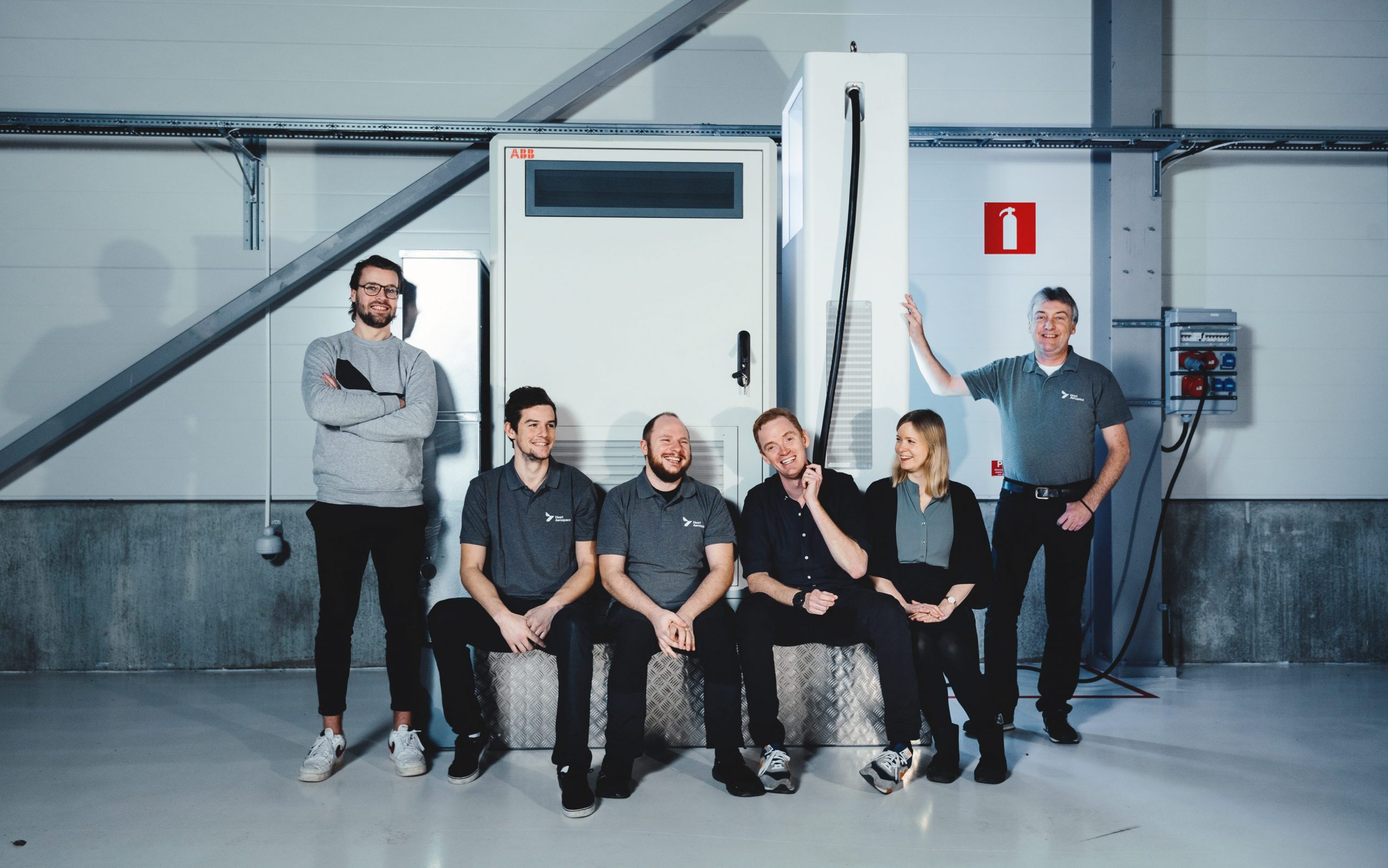
ANDERS FORSLUND CEO & FOUNDER
A former Robust Design Engineer at GKN Aerospace, Anders holds three MS degrees, in astronautics and space engineering, engineering physics, and space technology.

BENJAMIN STABLER CTO
Benjamin was previously an Avionics Software Manager at SpaceX and co-founded an electric rail company. He holds an MS in Electrical Engineering from Stanford.
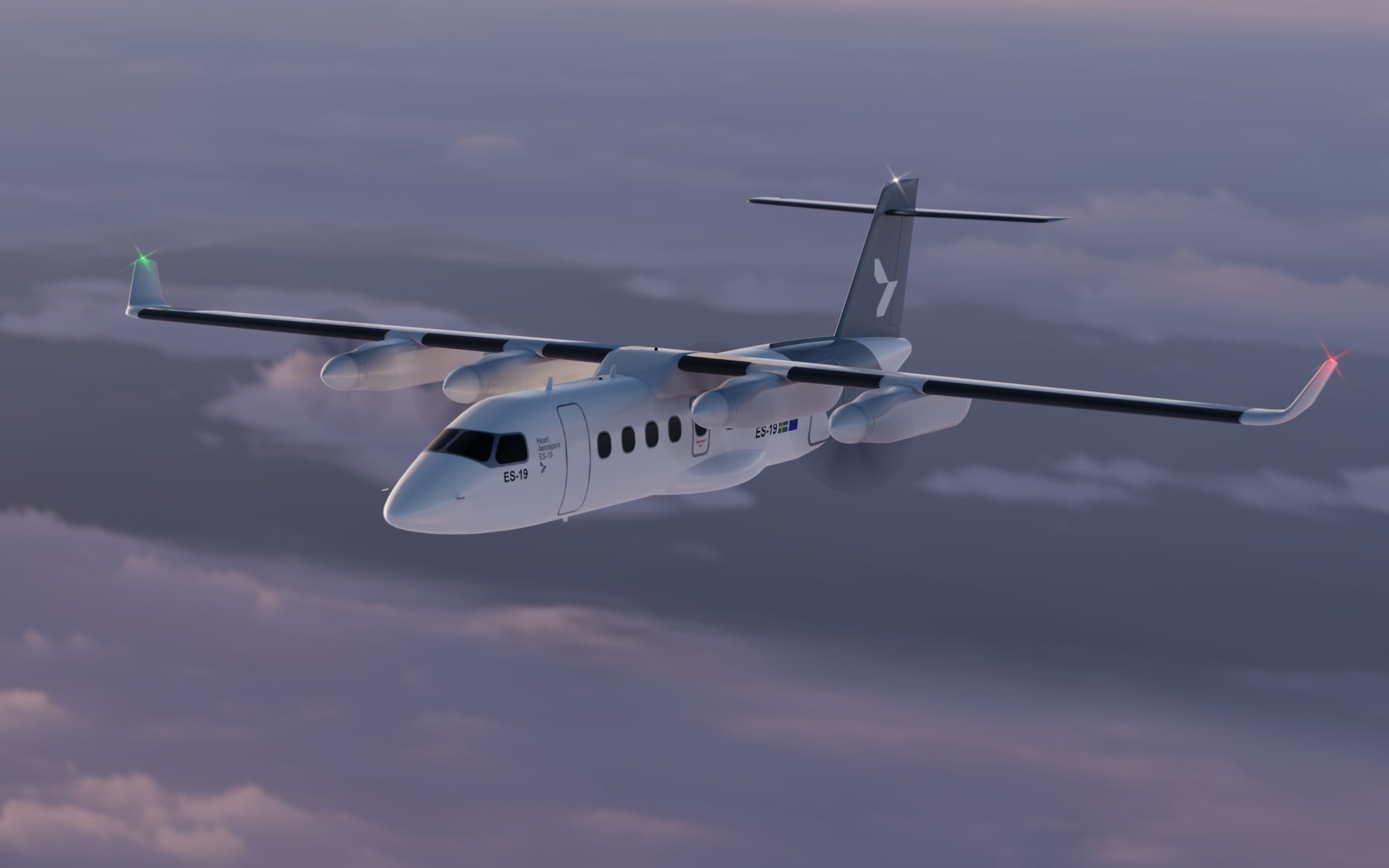
Heart Aerospace unveils new plane design
Heart Aerospace
Air Canada to buy 30 electric planes
Reuters
Heart Aerospace raises $35M Series A, lands order with United and Mesa Airlines for 200 aircraft
TechCrunch