


 Slashing CO2
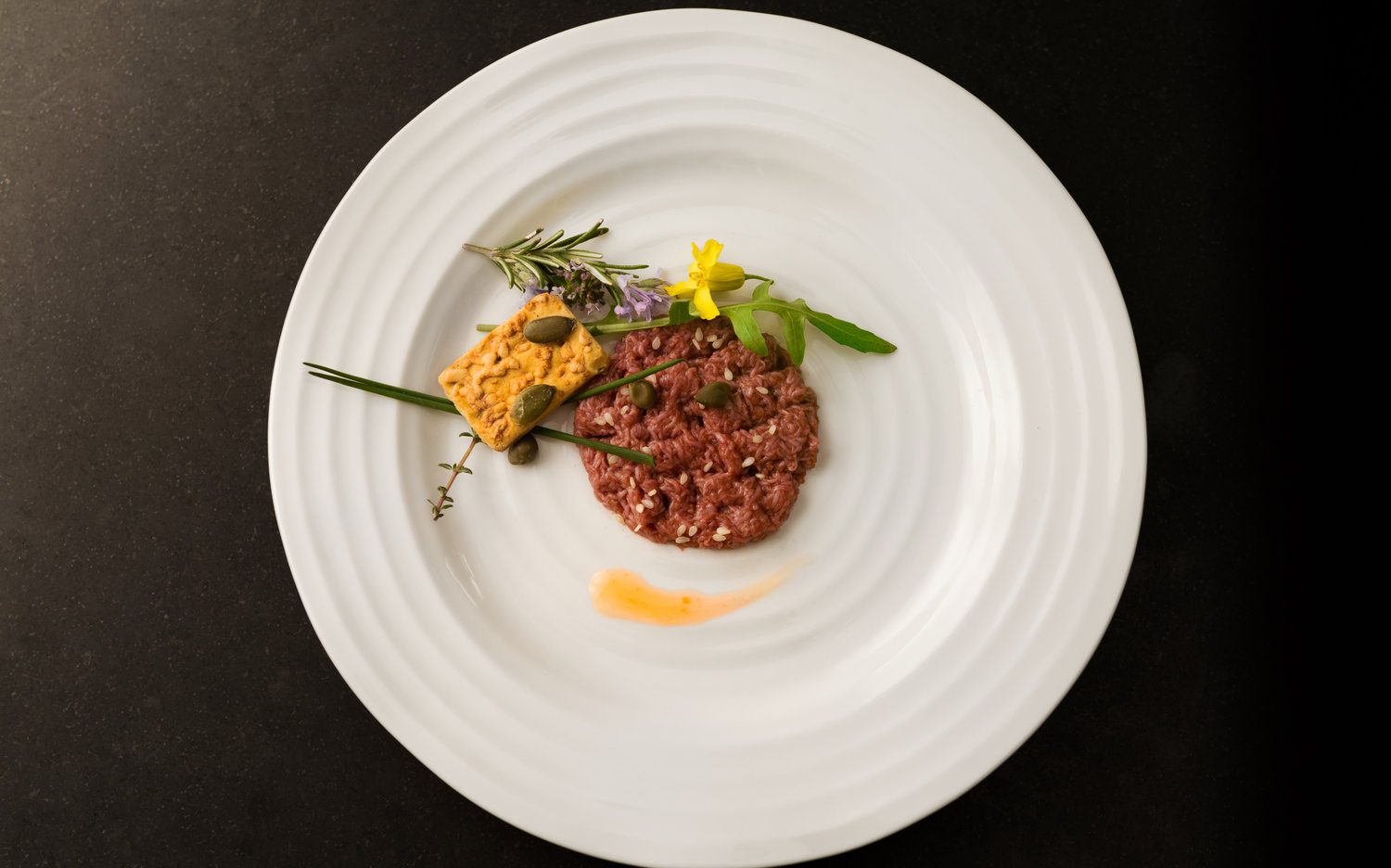
100% beef that never had eyes nor hooves.
Big Picture
Global demand for beef is expected to grow more than 70% by 2050. Under business as usual, this will be catastrophic for greenhouse gas emissions and land-use, not to mention impacts on public health and animal welfare. That’s because the carbon intensity for beef is higher than for any other food in the world, representing more than 9% of total carbon emissions, putting it on par with the entirety of India.
How It Works
Mosa cultivates non-GMO meat from actual animal cells drawn from muscle biopsies. The cells multiply in a carefully seasoned broth containing a proprietary mix of natural nutrients. As muscle cells abound, they merge to become muscle fibers, lending meat its structure and texture. Mosa’s focus remains squarely on beef for its profound environmental, health, and ethical implications.
Unfair Advantage
Mosa’s founders were the first to develop a cell-based beef patty in 2013. Already the European leaders in cell-based meat production, they’ve extended that head start by partnering with industry leaders such Merck, Nutreco, Mitsubishi, and Bell Food. Mosa is rapidly scaling toward industrial meat production and is on track to enter consumer markets in the EU and beyond in the very near future.
96
Percent less
CO₂e than conventional beef

MAARTEN BOSCH CEO
Maarten was previously the CEO of Optelec. He has a Master’s in Industrial Design Engineering from the Delft University of Technology.
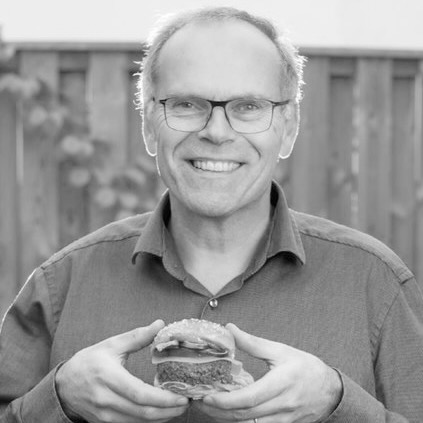
MARK POST CSO AND CO-FOUNDER
Mark was the lead scientist behind the world’s first slaughter-free hamburger. He is a Professor of Physiology at Maastricht University.

Mosa Meat: from €250,000 to €9 burger
CleanTechnica
Lab-grown meat is getting closer to supermarket shelves
Bloomberg
Mosa Meat achieves 80x reduction in medium cost for creating lab-grown
The Spoon